
Separated by less than three hours of scenic rail travel across the Central European plains, Vienna and Budapest form the continent’s most compelling twin-city getaway. Bound by the Danube and centuries of shared Austro-Hungarian history, the two capitals offer contrasting urban rhythms: Vienna’s meticulously manicured imperial boulevards, monumental palaces, and refined café rituals give way to Budapest’s dramatic riverfront panoramas, thermal bath sanctuaries, and vibrant nightlife.
Taking the train between both capitals eliminates airport security queues, baggage surcharges, and costly highway tolls. This five-day itinerary provides a balanced blueprint—two full days in Vienna, a smooth rail transfer morning, and two full days in Budapest—structured with realistic walking clusters, transit buffers, and pre-booking guidance for major historical sites.

Rail & Transit Logistics: How to Move Between the Capitals
The Cross-Border Train: Vienna to Budapest
Direct daytime Railjet (RJ/RJX) and EuroCity (EC) trains run roughly hourly between Wien Hauptbahnhof (Vienna Central Station) and Budapest-Keleti. The journey takes approximately 2 hours 37 minutes to 2 hours 40 minutes on standard daytime services.
- Ticketing & Fares: Advance, capacity-controlled discount tickets are sold under the ÖBB Sparschiene Hungary Portal up to six months ahead. Sparschiene tickets are tied strictly to a specific departure time and are non-refundable. Flexible same-day tickets bought at station ticket desks cost considerably more.
- Seat Reservations: While second-class seat reservations are not strictly mandatory on daytime Railjet services between Austria and Hungary, securing an allocated seat reservation is highly recommended during weekends and summer peak periods to avoid standing in vestibules or changing seats mid-journey.
- Border Formalities: Austria and Hungary both belong to the Schengen Area, meaning routine passport control is generally absent. However, spot identity checks are frequently conducted onboard around the Hegyeshalom border crossing. Always keep your passport and travel documents easily accessible in your daypack rather than buried in luggage racks.
Local Transit in Vienna
Vienna boasts one of Europe’s most efficient public transport networks, encompassing underground lines (U-Bahn), iconic red trams (Strassenbahn), and city buses. Individual journeys cost €2.40, but a timed network pass is far more economical for a two-day stay. A Wiener Linien 24 Hours VIENNA Pass provides unlimited transit across all core-zone routes from the moment of activation. Pass validation begins upon initial electronic stamping or via digital activation in the WienMobil app. Note that standard core-zone passes do not cover transit all the way to Vienna International Airport unless a regional suburban extension ticket is added.
Local Transit in Budapest
Budapest’s transit system, operated by BKK, integrates four metro lines—including the historic M1 continental underground—with scenic tramways and buses. Navigating the hilly Buda and flat Pest banks is straightforward with day cards. The BKK Types and Prices Schedule outlines options including the 24-hour Budapest-Travelcard (2,750 HUF) and the 72-hour Budapest-Travelcard (5,750 HUF). Unlike standard single transit tickets that require punching and only permit transfers within the underground metro network, multi-day travelcards offer unlimited, hassle-free hopping across all tram, bus, and metro lines. Budapest travelcards can be activated digitally using the BudapestGO app. Note that the dedicated 100E Airport Express bus requires a separate special fare shuttle ticket.
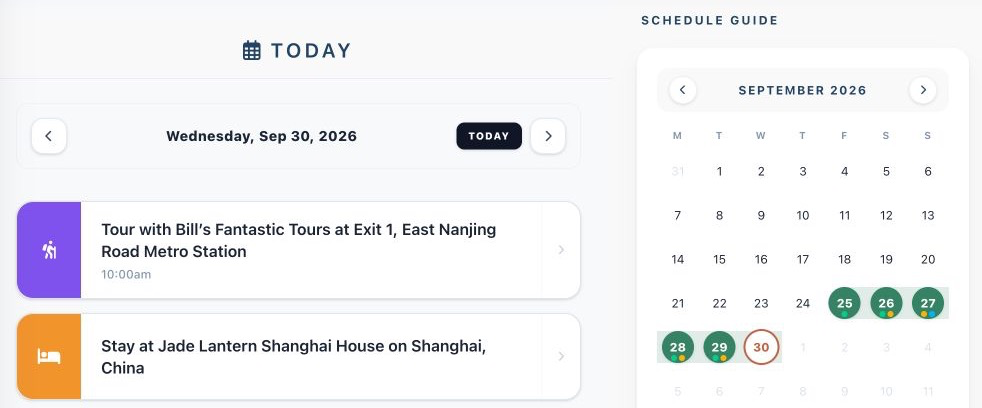
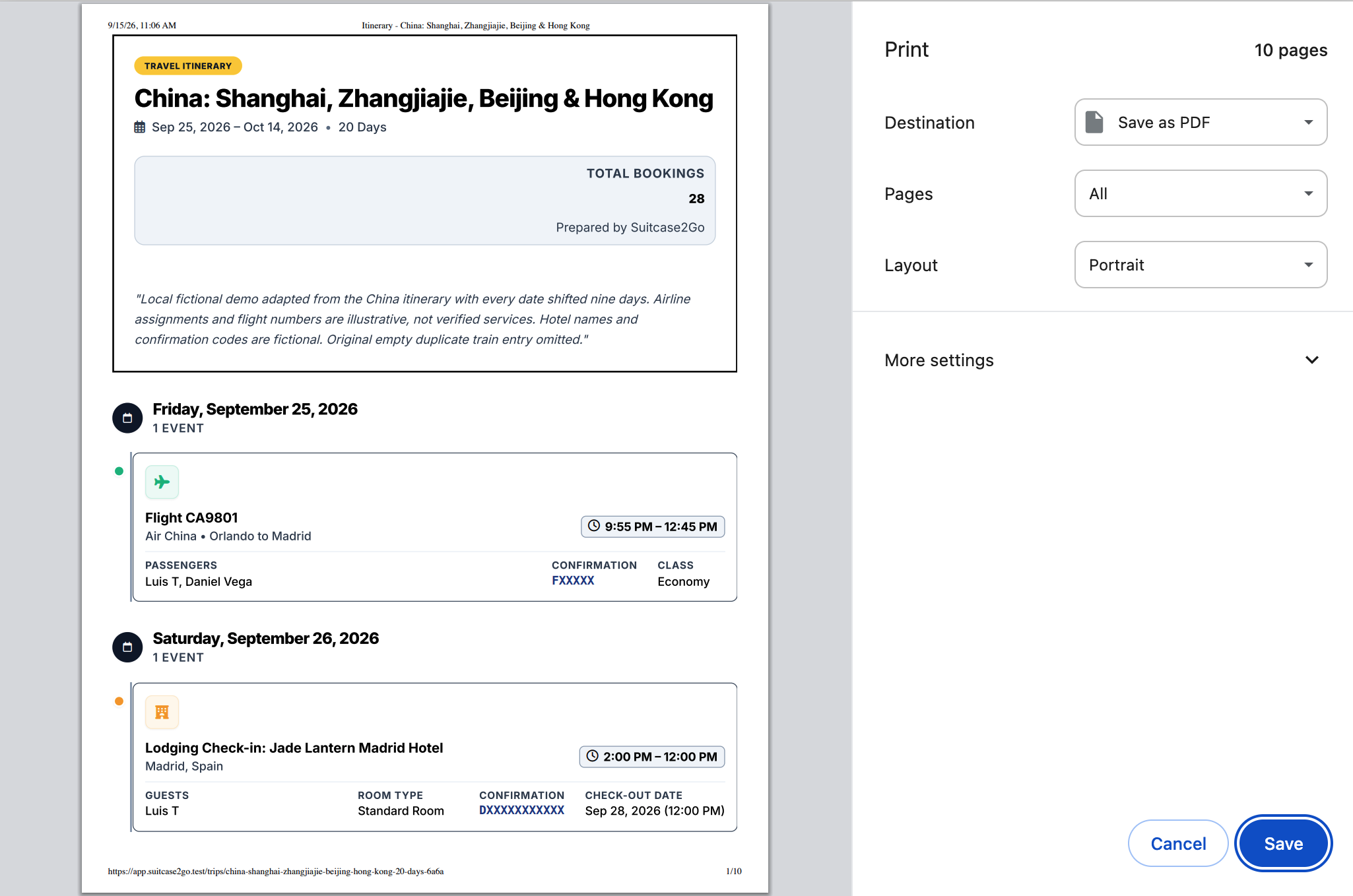
Organizing two currencies, multi-city rail tickets, and timed museum entries across an international trip requires careful tracking. Travelers can keep flight confirmations, rail passes, and day-by-day walking schedules in one clean itinerary at Suitcase2Go.
Day 1: Imperial Vienna & The Historic Ringstraße
Morning: The Historic Heart (Innere Stadt)
Begin your Austrian journey at Stephansplatz, the geographic and spiritual epicenter of Vienna. Gaze up at the multicolored chevron roof tiles of St. Stephen’s Cathedral (Stephansdom). Step inside to explore the Gothic nave before choosing between the South Tower (a 343-step spiral staircase rewarding climbers with sweeping city views) or the North Tower (accessible by elevator to view the Pummerin bell).
From the cathedral square, wander down the pedestrianized Graben, pausing to admire the baroque Pestsäule (Plague Column), before continuing along the elegant Kohlmarkt toward the Hofburg complex.
Afternoon: The Hofburg & The Ringstraße
Pass beneath the monumental green dome of the Michaelertor into the Hofburg Imperial Palace, the winter residence of the Habsburg dynasty for more than six centuries. Choose between the Sisi Museum and Imperial Apartments or visit the Austrian National Library’s Grand Hall (Prunksaal), an awe-inspiring baroque library lined with walnut bookcases and frescoed ceilings.
Emerge onto the Ringstraße, the grand 19th-century boulevard constructed under Emperor Franz Joseph. Take a leisurely walk past the neoclassical Austrian Parliament Building and the neo-Gothic Rathaus (City Hall). Cross the street into the Volksgarten to enjoy the symmetrical rose gardens and the classical Temple of Theseus.
Evening: Coffeehouse Tradition & Viennese Dining
No trip to Vienna is complete without experiencing traditional Viennese coffee culture. Settle into a bentwood chair at Café Central or Café Sperl for a mid-afternoon Melange (espresso with steamed milk and foam) accompanied by a slice of Sachertorte or warm Apfelstrudel.
For dinner, head into the Spittelberg quarter or a traditional Gasthaus near the historic center. Order authentic Wiener Schnitzel—pan-fried veal cutlet pounded thin and coated in breadcrumbs—served with a classic warm potato-corn salad (Erdäpfelsalat) and a glass of crisp Grüner Veltliner wine.
Day 2: Habsburg Grandeur & Masterpieces at Belvedere
Morning: Summer Splendor at Schönbrunn Palace
Take U-Bahn line U4 southwest to Schönbrunn station. Schönbrunn Palace was the grand summer residence of Empress Maria Theresa and Emperor Franz Joseph, surrounded by formal baroque parklands.
- Booking Strategy: Interior state apartments require pre-booked timeslots to manage heavy visitor traffic. Check options on the Schönbrunn Palace All Tickets and Tours Portal. Options range from the State Apartments tour (covering 22 rooms in roughly 40 minutes) to the comprehensive Palace Ticket (exploring 40 imperial chambers in approximately 75 minutes). Palace management strictly warns visitors against inflated third-party reseller tickets and directs bookings to its official distribution platform.
- Gardens & The Gloriette: While access to the vast tree-lined avenues of the main palace park is free, ascending to the viewing platform of the Gloriette colonnade at the crest of the hill provides panoramic views over the palace roofline toward central Vienna.
Afternoon: Austrian Art at the Upper Belvedere
Return toward the city center via tram to the Belvedere Palace, an 18th-century baroque complex built for Prince Eugene of Savoy. The Upper Belvedere houses an exceptional collection of Austrian art, most notably the world's largest collection of Gustav Klimt oil paintings, headlined by The Kiss and Judith I, alongside masterworks by Egon Schiele and Oskar Kokoschka. Allocate two hours to browse the permanent collection and wander through the cascading terraced gardens connecting the Upper and Lower palaces.
Evening: Classical Melody or Evening Stroll
In the evening, stroll past the illuminated facade of the Vienna State Opera (Wiener Staatsoper) or attend an evening concert in the Golden Hall of the Musikverein or the historic church of St. Anne. For dinner, explore the vibrant culinary stalls along the Naschmarkt, sampling regional cheeses, Austrian alpine charcuterie, and contemporary Central European small plates.
Day 3: Train to Budapest & Sunset on the Danube
Morning: Departure from Wien Hauptbahnhof
Pack your bags and make your way to Wien Hauptbahnhof. Grab fresh pastries, filled rolls, and coffee from the concourse bakeries before locating your ÖBB Railjet departure platform. Board the mid-morning service to Budapest-Keleti. Settle in as the train crosses Lower Austria, glides past the wind parks of the Burgenland border, and enters Hungary along the Danube basin.
Midday: Arrival at Budapest-Keleti & Check-In
Arrive at Budapest-Keleti (Eastern Railway Station), an impressive late-19th-century railway hall adorned with murals by Károly Lotz. Purchase your BKK travelcard via the BudapestGO digital app or automated station kiosks, then take metro line M2 or M4 toward your accommodation. Central Pest—especially District V (Belváros) or District VII (Erzsébetváros)—offers the best walkable access to major sights.
Late Afternoon: The Danube Promenade (Dunakorzó)
Spend your late afternoon strolling along the Pest embankment of the Danube Promenade (Dunakorzó), stretching between the Chain Bridge (Széchenyi Lánchíd) and the Elizabeth Bridge. Admire views across the river toward the Buda Castle hill as golden afternoon light illuminates the limestone ramparts. Walk across the newly restored pedestrian walkways of the Chain Bridge to experience the river breeze up close.
Evening: Ruin Bars in the Jewish Quarter
Head into the narrow streets of the historic Jewish Quarter in District VII. The neighborhood is famous for its "ruin bars" (romkocsmák)—atmospheric bars set within abandoned pre-war residential courtyards decorated with mismatched vintage furniture, string lights, and eclectic art installations. Stop by Szimpla Kert for an introductory drink, then dine nearby on hearty Hungarian marhapörkölt (slow-cooked beef stew) or chicken paprikash with egg noodles (nokedli).
Day 4: Castle Hill & The Hungarian Parliament
Morning: Buda Castle District & Fisherman’s Bastion
Cross over to the Buda side in the early morning to explore Castle Hill (Várhegy). You can ascend via the historic Castle Hill Funicular (Budavári Sikló) from Clark Ádám tér or take the scenic Castle Bus (Line 16) from Deák Ferenc tér.
- Fisherman’s Bastion (Halászbástya): Built in neo-Romanesque style with seven fairytale lookout towers representing the seven founding Magyar tribes, this terrace delivers unmatched panoramic views over Pest, the Danube, and the Parliament building.
- Matthias Church (Mátyás-templom): Located directly adjacent, this 14th-century Gothic church features a striking diamond-patterned Zsolnay glazed tile roof and an interior richly painted in oriental-influenced geometric frescoes.
Afternoon: The Hungarian Parliament & River Memorials
Cross back to the Pest bank and head to Kossuth Lajos tér to visit the iconic Hungarian Parliament Building (Országház), one of the world's most spectacular examples of neo-Gothic civic architecture.
- Booking Interior Tours: Interior access is permitted strictly via 45-minute guided tours managed by the official visitor center. Check ticket policies and official time slots at the Hungarian Parliament Visitor Centre Ticket Prices Schedule. Note that ticket prices are tiered, with distinct rates for European Economic Area (EEA) citizens and standard tariffs for non-EEA visitors. The Parliament office designates
jegymester.huas its sole authorized booking partner; daytime spots routinely sell out weeks in advance, so reserve your slot well before traveling. - Shoes on the Danube Bank: A short walk south along the riverbank leads to the moving memorial honoring victims shot into the river during World War II by Arrow Cross militia. Sixty pairs of period-appropriate iron shoes stand rusted along the water’s edge.
Evening: St. Stephen’s Basilica & Sunset Views
Walk inland toward St. Stephen’s Basilica (Szent István Bazilika), Budapest’s grand neoclassical co-cathedral. Climb or take the elevator to the dome’s observation deck for a 360-degree sunset view over Pest’s urban grid. Afterwards, dine in the lively square surrounding the basilica, enjoying contemporary Hungarian cuisine and Tokaji dessert wine.
Day 5: Thermal Bath Rituals & Grand Boulevards
Morning: Soaking in the Széchenyi Thermal Baths
Budapest sits atop a massive network of natural thermal springs, earning its historic nickname as the "City of Spas." Take the historic M1 metro line—the oldest underground line in continental Europe—to Széchenyi fürdő station in City Park (Városliget).
The neo-baroque Széchenyi Thermal Bath is one of the largest bath complexes in Europe, boasting 15 indoor thermal pools and three expansive outdoor pools surrounded by bright yellow palace-like facades. Soak in the mineral-rich waters (temperatures range from 28°C to 38°C), watch locals play chess on floating boards in the outdoor thermal pool, and recharge after four days of intensive walking.
Tip: Arrive by 9:00 AM to beat midday tour groups, and rent a private cabin (kabin) rather than an open locker for convenient changing and luggage storage.

Afternoon: Heroes’ Square & Andrássy Avenue
Stroll through City Park past the eclectic Vajdahunyad Castle toward Heroes’ Square (Hősök tere). The monumental complex features the Millennium Monument, flanked by towering statues of Hungarian kings and national leaders.
From the square, walk down the tree-lined boulevard of Andrássy Avenue (Budapest’s equivalent of the Champs-Élysées). Admire the embassies and grand 19th-century mansions, stopping for coffee and pastries in the historic dining salons of Café Gerbeaud near Vörösmarty tér.
Evening: Illuminated Danube Sightseeing Cruise
Conclude your twin-city adventure on the water. Budapest is best seen by night from the river, when the Parliament, Buda Castle, and all seven bridges are illuminated in brilliant golden light. Board an evening sightseeing cruise from the Vigadó tér docks. Gliding beneath the bridges while gazing at the reflections shimmering on the Danube provides an unforgettable finale to your five days in Central Europe.
Practical Planning Checklist & Common Traps
1. Currency Management (Euro vs. Hungarian Forint)
While Austria uses the Euro (€), Hungary retains its national currency, the Hungarian Forint (HUF). Contactless card payments (Visa and Mastercard) are nearly universal across Budapest, from subway gates to cafés and museum counters. If you do need physical cash, always use bank-affiliated ATMs (such as OTP Bank or Erste Bank) and avoid Euronet-branded street ATMs, which often charge steep conversion markups. Always select "Charge in Local Currency (HUF)" rather than allowing dynamic currency conversion at card terminals.
2. Guard Against Advance Ticket Pitfalls
- Train Walk-Ups: Do not assume Sparschiene discount rail fares are available at the station on the morning of travel. Walk-up fares between Vienna and Budapest can cost substantially more. Book through ÖBB as soon as your dates are confirmed.
- Parliament and Palace Slots: Both Schönbrunn Palace and the Hungarian Parliament enforce strict entry capacities. Booking on-site on the day of your visit almost always results in long waits or sold-out tours.
- Airport Transit Nuances: If flying out of Budapest Ferenc Liszt International Airport (BUD), remember that general 24- or 72-hour BKK travelcards do not cover the 100E Airport Express bus. You must purchase a dedicated shuttle ticket via the BudapestGO app or platform machines.
3. Packing & Route Efficiency
Both cities feature extensive cobblestone streets. Pack sturdy walking footwear and keep an umbrella or light rain layer handy, as weather across the Danube valley can shift quickly. Having a well-structured daily schedule helps ensure you cover imperial architecture, culinary classics, and scenic riverside walks without feeling rushed.
Before you depart, bring all your flight records, cross-border train confirmations, and daily activity plans together in one place with Suitcase2Go. Enjoy smooth, organized travels as you discover two of the world's most captivating riverside capitals.