
Traveling through the Netherlands by train is one of Europe's most seamless travel experiences. The country's dense passenger rail network connects world-class cultural institutions, medieval university towns, and post-war architectural landmarks within minutes of each other. Instead of losing half a day to highway congestion or airport transfers, city-to-city hops across the western urban core—known as the Randstad—typically take between 25 and 50 minutes.
This 6-day itinerary pairs two days in historical Amsterdam, two days exploring the intimate canal wharves of Utrecht, and two days experiencing the bold design and harbor culture of Rotterdam. By organizing your days around geographic clusters and understanding Dutch transit rules, you can move smoothly between destinations with minimal packing stress.

Master the Transit Essentials: How Dutch Trains and OVpay Work
Before stepping onto your first platform, understanding the national ticketing system will save you both money and confusion.
1. Contactless Payment with OVpay
You do not need to buy paper transit cards or purchase individual point-to-point paper tickets at station kiosks. Across the country, the national contactless transit system, OVpay, allows you to tap in and tap out on domestic trains operated by Nederlandse Spoorwegen (NS), as well as municipal trams, buses, and metros (GVB in Amsterdam, U-OV in Utrecht, and RET in Rotterdam).
- One Card, One Passenger: Every traveler must tap in and out using their own distinct physical bank card, smartphone, or smartwatch. You cannot pay for two people using the same card or device.
- Exact Match Check-Out: Always tap out using the exact payment method you tapped in with. For instance, if you tapped in with a physical Visa card, you cannot tap out using the Apple Pay version of that same card on your phone, as the digital token differs from the physical chip.
- Cost Efficiency: Station ticket machines add a €1.60 surcharge per disposable paper train ticket. Tapping in directly via OVpay or purchasing official e-tickets avoids this fee.
2. Domestic Rail Scheduling and Open Seating
Standard domestic trains operated by Nederlandse Spoorwegen (NS) run on an open-seating basis. Unlike high-speed international trains, domestic Intercity routes between Amsterdam, Utrecht, and Rotterdam do not offer or require seat reservations. You board your train, head to the second-class cabin (marked with a large "2" on the exterior doors and interior panels), and take any open seat.
If you prefer to review schedules, track platforms, or view planned engineering works in advance, check the official NS journey planner before heading to the station.
Day 1: Amsterdam’s Historic Ring and Jordaan
Morning: Arrival and the Grachtengordel
Arrive at Amsterdam Centraal Station. If your lodging is not yet ready for check-in, drop your bags at your hotel's front desk or use the card-operated electronic luggage lockers inside Amsterdam Centraal.
Begin your exploration on foot along the UNESCO-listed 17th-century canal ring (Herengracht, Keizersgracht, and Prinsengracht). Strolling the western canals during the morning hours provides the quietest atmosphere, before canal-boat traffic peaks. Walk south toward the Nine Streets (De Negen Straatjes), a micro-neighborhood of four canal blocks lined with independent bookshops, vintage boutiques, and traditional bakeries.
Afternoon: The Jordaan and Houseboat Culture
Cross the Prinsengracht into the Jordaan district. Originally developed as working-class housing in the 1600s, the Jordaan features narrow streets, quiet courtyards (hofjes), and traditional brown cafés (bruine kroegen). Stop for a classic Dutch lunch—try uitsmijter (open-faced fried eggs with ham and Gouda cheese on rustic bread) or warm apple pie (appeltaart) at a corner café along the Lindengracht or Westerstraat.
After lunch, visit the Houseboat Museum (Woonbootmuseum) moored on the Prinsengracht to see how residents turned retired cargo freighters into year-round homes, or walk past the Westerkerk to admire its historic bell tower.
Evening: Evening Canal Cruise and Waterfront Dining
Board a small, electric open-top or semi-covered canal boat from the Jordaan or near the Anne Frank House. Opting for a smaller electric boat allows navigation through the narrow residential canals of the Jordaan that larger glass-topped tourist cruisers cannot enter. Afterward, dine at a neighborhood bistro along the Brouwersgracht or nearby Haarlemmerdijk.
Day 2: Amsterdam’s Golden Age Art and Vondelpark
Morning: Masterpieces at the Rijksmuseum
Dedicate your second morning to Museumplein. Your anchor visit is the Rijksmuseum, home to Rembrandt’s The Night Watch, Vermeer’s The Milkmaid, and extensive collections of Dutch Golden Age craftsmanship.
- Crucial Booking Rule: All visitors—including those with museum passes—must reserve a specific timed-entry arrival slot online in advance. Slots are strictly regulated. Plan for an arrival between 9:00 AM and 9:30 AM to tour the Gallery of Honour before mid-day crowds gather.
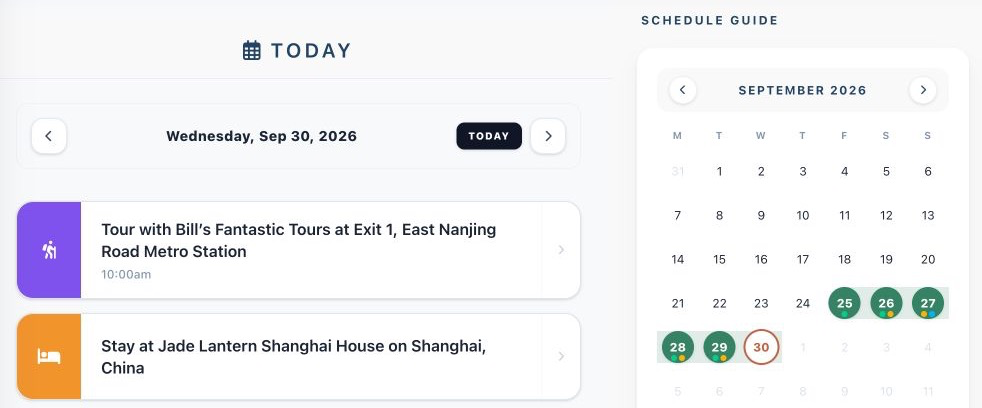
Keeping your entry slots, transport details, and museum tickets coordinated across multiple cities can be cumbersome. Using a dedicated planning tool like Suitcase2Go helps you keep flights, hotel stays, and daily plans structured together so you can see your scheduled time windows at a glance.
Afternoon: Vondelpark and Museumplein Choice
After exiting the Rijksmuseum, pick up lunch from a bakery or café around Museumplein and walk directly into the adjacent Vondelpark. This English-landscape-style city park provides paved paths, weeping willows, and outdoor pavilions ideal for an early afternoon stroll.
If you wish to explore more art, spend the mid-afternoon at the Van Gogh Museum or the Stedelijk Museum of Modern Art (both require advance reservations). Alternatively, rent a bicycle for two hours to cycle through the park and along the southern canal loops.
Evening: De Pijp and Albert Cuypmarkt
Walk southeast from Museumplein into De Pijp, a vibrant neighborhood historically occupied by students and artists. Walk down the Albert Cuypstraat, enjoy casual street bites such as freshly pressed warm stroopwafels, and choose an evening dinner spot from the neighborhood's dense concentration of Indonesian, Surinamese, and Middle Eastern eateries.
Day 3: Train to Utrecht & The Medieval Wharf Cellars
Morning: Intercity Rail to Utrecht Centraal
Check out of your Amsterdam accommodation and walk or take the tram to Amsterdam Centraal. Tap in with your contactless card or device using OVpay at the station gates.
- Transit Details: Direct Intercity trains to Utrecht run with extreme frequency—typically departing every few minutes throughout the day. The journey via the NS Amsterdam - Utrecht route takes just 28 minutes.
- Tap out at the Utrecht Centraal fare gates using the exact same card.
Utrecht Centraal connects directly to the Hoog Catharijne shopping concourse; follow the pedestrian signs toward the "Centrum" exit to reach the historic core within an 8-minute walk. Drop your luggage at your hotel or utilize the electronic luggage lockers on the ground level of Utrecht Centraal.

Afternoon: The Oudegracht and Wharf Cellar Cafés
Utrecht's historic canal network is unique in the Low Countries. Along the central canal, the Oudegracht, medieval warehouses and split-level wharves sit directly at water level, below street grade. In the 13th and 14th centuries, cargo was loaded from barges directly into vaulted stone cellars beneath the canal houses. Today, these wharf-side cellars house waterside taprooms, coffee shops, and independent restaurants.
Walk south along the Oudegracht, descending the stone stairs to the pedestrian water walkways. Stop for lunch at a café right along the water's edge, watching electric tour boats and rental kayaks glide past.
Evening: Dom Tower Guided Tour and Historic Alleys
Head to Domplein to view the iconic Dom Tower (Domtoren), the tallest church tower in the Netherlands at 112 meters.
- Visitor Requirement: The tower cannot be climbed independently; admission is managed solely through scheduled guided staircase tours arranged via Domtoren Utrecht.
- Logistics: Tours start promptly from the visitor center at Domplein 9. Large backpacks and hand luggage are prohibited on the narrow medieval staircases; free secure storage lockers are provided at check-in.
After climbing the 465 steps for panoramic views across the province, wander through the serene Pandhof cloister garden next to the cathedral. Dine in one of the vaulted cellar restaurants along the southern Oudegracht or Nieuwegracht.
Day 4: Modern Utrecht and Serene Waterways
Morning: The Rietveld Schröder House
Begin your fourth day experiencing a total contrast to Utrecht's Gothic stone architecture. Take bus line 8 from Utrecht Centraal or rent a bicycle to cycle east to the Rietveld Schröder House (Rietveld Schröderhuis).
Built in 1924 by architect Gerrit Rietveld for Truus Schröder, this residential home is the pure architectural manifestation of the De Stijl movement. Featuring primary colors, movable sliding interior walls, and an intentional integration of interior and exterior space, it holds UNESCO World Heritage status. Audio tours must be booked online in advance due to strict occupancy limits inside the preserved home.
Afternoon: Wilhelminapark and Canoe Paddling
Walk from the Schröder House through Wilhelminapark, a peaceful residential park dating from 1898. For lunch, explore the nearby Burgemeester Reigerstraat, lined with local delicatessens, cheese shops, and bakeries.
If the weather is mild, head to the eastern curve of the Singel (the defensive moat encircling the old town) and rent a rowboat, canoe, or stand-up paddleboard. Paddling the circular Singel waterway provides a tranquil, ground-level perspective on Utrecht's former bastions, tree-lined embankments, and historic bridge arches.

Evening: Craft Beer and University Squares
Spend your final evening in Utrecht exploring the student quarter around the Janskerkhof and Neude squares. Settle into a café housed inside an old converted brewery or church, such as the grand grand-cafés around the Neude, and sample regional Dutch and Belgian ales with a plate of hot mustard and bitterballen (deep-fried beef ragout croquettes).
Day 5: Train to Rotterdam & Bold Modern Architecture
Morning: High-Speed Transition to Rotterdam
Check out of your Utrecht accommodation and head to Utrecht Centraal. Tap in with your card at the platform gates.
- Transit Details: Frequent direct Intercity trains operate along the NS Utrecht - Rotterdam route, running roughly every 15 minutes. The trip takes approximately 48 minutes.
- Fare Note: Standard domestic Intercity trains between Utrecht and Rotterdam do not incur a high-speed surcharge, as they travel via Gouda rather than the dedicated high-speed line. Tap out with your card upon arriving at Rotterdam Centraal.
Rotterdam Centraal is an architectural spectacle in its own right, with its dramatic angular roof pointing directly toward the city center. Drop your luggage at your accommodation or use the station's automated lockers.
Afternoon: Markthal, Cube Houses, and Oude Haven
Unlike Amsterdam and Utrecht, Rotterdam was largely rebuilt following the devastating air raids of May 1940. The result is a dynamic open-air exhibition of modern and experimental architecture.
From the station, walk down the pedestrianized Luchtsingel wooden bridge or take the metro two stops to Rotterdam Blaak. Here you will find three distinctive landmarks clustered together:
- The Markthal: A massive residential arch enclosing an indoor food hall, decorated inside with the 11,000-square-meter digital ceiling artwork Horn of Plenty. Sample Dutch herring, cheeses, or global street food from market stalls.
- The Cube Houses (Kubuswoningen): Designed by Piet Blom in the late 1970s, these yellow-and-gray residences are tilted at a 45-degree angle on hexagonal pillars. Tour the Kijk-Kubus (Show Cube) to experience how furniture and living spaces fit within non-vertical walls.
- Oude Haven (Old Harbor): Walk down to this preserved historic basin behind the Cube Houses to see historic sailing barges moored alongside modern waterside patios.
Evening: The Erasmus Bridge and Kop van Zuid
At sunset, take a tram or walk south toward the Erasmus Bridge (Erasmusbrug), nicknamed "The Swan" for its 139-meter asymmetric white pylon. Cross the bridge on foot to the Kop van Zuid district, an old dockland revitalized with cutting-edge skyscrapers designed by Rem Koolhaas and Norman Foster. Enjoy dinner at the historic Hotel New York—the former headquarters of the Holland-America Line—overlooking the busy Nieuwe Maas shipping river.
Day 6: Art in the Depot and Harbor Heritage
Morning: Depot Boijmans Van Beuningen
Start your final day in Rotterdam's Museumpark. Here stands the bowl-shaped, fully mirrored Depot Boijmans Van Beuningen, the world’s first publicly accessible art storage facility.
- Visitor Requirement: The Depot requires an advance online ticket and entry time slot.
- The Experience: Unlike conventional museums where only 5% to 10% of a collection is displayed, the Depot houses over 150,000 works of art in glass-walled storage compartments. Visitors walk along zigzagging glass staircases inside the central atrium and take guided compartment walkthroughs.
- Rooftop Terrace: Finish your visit on the accessible roof garden, planted with 75 birch trees, for a 360-degree panoramic view of Rotterdam's industrial skyline.
(Note: The historic main building of Museum Boijmans Van Beuningen adjacent to the Depot remains closed for long-term renovation; only the Depot facility is open to visitors.)
Afternoon: Spido Harbor Boat Tour or Water Taxi
Rotterdam is Europe’s largest seaport. In the afternoon, head to the base of the Erasmus Bridge to board a 75-minute Spido harbor tour, cruising past massive shipyards, container terminals, and dry docks.
For a faster and more exhilarating alternative, flag a yellow-and-black Rotterdam Water Taxi. These high-speed vessels skim across the waves at up to 50 km/h, ferrying passengers between more than 50 landing piers throughout the harbor and city center.
Evening: Delfshaven Historic Walking Tour
To wrap up your journey, take metro line A, B, or C west to Historisch Delfshaven. This quiet pocket miraculously survived the 1940 bombings, preserving intact 17th-century canal facades, a working grain windmill, and the Oude Kerk (Pilgrim Fathers' Church), where the Pilgrims prayed before sailing to the Americas in 1620. Enjoy a celebratory farewell dinner at a craft brewery or classic Dutch tavern alongside the historic harbor basin.
Returning Home or Continuing Your Trip
When concluding your trip from Rotterdam, onward transit is exceptionally straightforward:
- To Amsterdam Airport Schiphol: Direct Intercity Direct trains depart Rotterdam Centraal regularly, reaching Schiphol in approximately 26 minutes.
- Surcharge Alert: NS operates high-speed trains via the HSL-Zuid line between Rotterdam and Schiphol/Amsterdam. If you board an Intercity Direct train along this specific high-speed corridor, you must pay an added surcharge (Toeslag Intercity direct) by tapping your card at the red Toeslag pole on the platform before boarding, as detailed on the NS Intercity Direct guide. Standard Intercity trains routed through Gouda do not require this surcharge.
- To Brussels or Paris: Eurostar services call directly at Rotterdam Centraal, connecting to Antwerp, Brussels-Midi, and Paris-Nord without requiring a transfer.
By relying on the country's frequent rail connections and booking major cultural venues ahead of time, this six-day circuit showcases the complete spectrum of Dutch character—from Golden Age waterscapes and cozy university courtyards to pioneering modern design.