
Driving through the Italian Dolomites offers unmatched access to soaring limestone pinnacles, alpine meadows, and classic mountain passes. However, a successful road trip here requires more than picking scenic viewpoints on a map. High-elevation valleys face strict vehicle restrictions, seasonal pass closures, and mandatory parking reservations that can disrupt your schedule if overlooked.
This 7-day itinerary balances the western Dolomites (based in Val Gardena) and the eastern peaks (based around Cortina d’Ampezzo). By dividing your stay into two hubs, you minimize zig-zagging across twisting hairpin turns while keeping driving windows manageable.

Essential Driving & Regulatory Rules Before You Start
Mountain driving in South Tyrol, Trentino, and the Veneto requires careful attention to local regulations:
- Pass Conditions & Car-Free Days: Check live road closures and pass statuses on the South Tyrol Road Information Centre portal. Major mountain passes such as Passo Gardena, Passo Sella, and Passo Pordoi are open to standard passenger vehicles during the normal summer and autumn seasons without daily tolls. However, they close entirely to motor traffic during pre-scheduled events such as the annual Sellaronda Bike Day and Dolomites Bike Day.
- Mandatory Winter Equipment: In South Tyrol, vehicles must be equipped with winter tires or have snow chains onboard between November 15 and April 15. Because passes sit well above 2,000 meters, sudden unseasonal snow can trigger chain requirements in late spring or autumn. Ensure your rental agreement includes approved tires or chains.
- Plateau Limited Traffic Zones (ZTL): Driving directly onto high-altitude plateaus like Alpe di Siusi (Seiser Alm) is strictly restricted during peak daytime hours to protect the alpine environment.
- Timed Parking Reservations: World-famous locations such as Tre Cime di Lavaredo and Lago di Braies require advance online permits for vehicle entry during high season.
The Two-Base Strategy: Where to Stay
Crossing between the western and eastern Dolomites involves high-altitude passes that can take two hours or more depending on weather, cyclists, and tour coaches. To maximize trail time and rest:

- Nights 1–3 (Western Base): Val Gardena (Ortisei, Santa Cristina, or Selva). Ortisei offers pedestrian-friendly village amenities and direct cableways to Seceda and Alpe di Siusi.
- Nights 4–6 (Eastern Base): Cortina d’Ampezzo, San Vito di Cadore, or Dobbiaco (Toblach). This provides straightforward staging for Tre Cime, Lago di Braies, and Passo Giau.
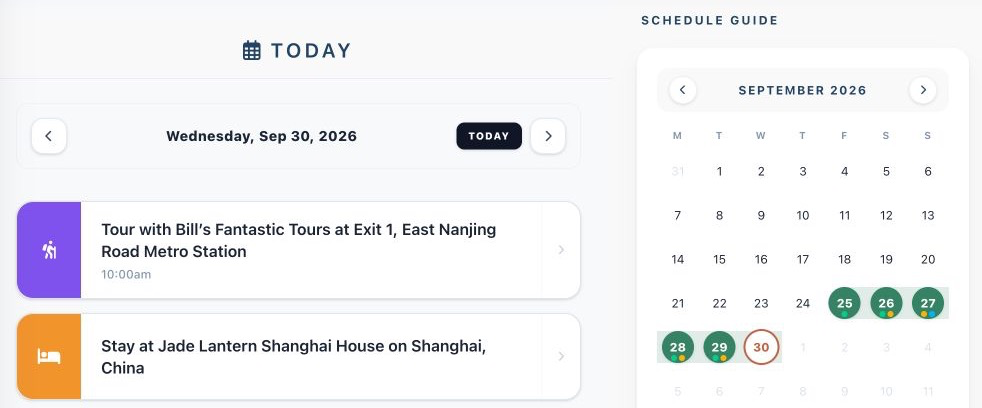
Keeping multi-day stays, pass driving slots, and reservation confirmations unified in one schedule prevents reservation oversights on high-traffic roads. Plan your route and daily bookings at Suitcase2Go.

Day 1: Arrival in Val Gardena & Alpe di Siusi Meadows
- Morning: Collect your rental car from Venice (VCE), Innsbruck (INN), or Milan (MXP/BGY). Drive north along the A22 Brenner Autobahn, taking the Chiusa/Klausen exit toward Val Gardena. Check into your base in Ortisei or Selva.
- Afternoon: Head up to the Alpe di Siusi (Seiser Alm), the largest high-alpine pasture in Europe.
- Logistics Alert: Under the official Alpe di Siusi Traffic Regulations, the public road from St. Valentin up to Compatsch is closed to private motorized traffic daily between 09:00 and 17:00. While early risers can purchase an advance parking ticket for the Compatsch P2 lot via the Seiser Alm Parking Portal before 09:00, the easiest, most flexible approach for day visitors is to leave the car in Ortisei and ride the Mont Sëuc cable car directly up to the plateau.
- Take a gentle 2- to 3-hour walk across rolling green pastures toward Saltria or Rifugio Sanon, with dramatic views of the Sassolungo (Langkofel) and Sciliar (Schlern).
- Evening: Return to Ortisei. Walk through the pedestrian center and sample local Ladin-Tyrolean cuisine such as Schlutzkrapfen (spinach-stuffed pasta) and local speck.
Day 2: Seceda Ridge Line & Puez-Odle Nature Park
- Morning: Walk to the Seceda cable car station in Ortisei. If you plan to ride lifts frequently over the next several days, consider purchasing a multi-day pass such as the Dolomiti Supersummer Card or local valley pass to streamline access.
- Ascend to the Seceda mountain station (2,500 m). From the upper terminal, walk 10 minutes to the Seceda ridgeline viewpoint to take in the dramatic, knife-edge Odle (Geisler) peaks dropping sheerly into the valley below.
- Midday: Hike the panoramic ridge trail eastward past Rifugio Firenze (Regensburger Hütte). The trail descends through alpine meadows dotted with traditional mountain huts, ideal for a quiet lunch of polenta and dumplings.
- Afternoon: Complete the loop back to the Col Raiser gondola, riding down to Santa Cristina, and take the local valley bus or a short walk back to Ortisei. This provides a rest buffer before evening driving.
- Evening: Stroll Selva di Val Gardena and enjoy dinner in town.
Day 3: The Classic Sellaronda Pass Circuit
- Morning: Dedicate this day to one of the world's most celebrated road-touring circuits: the Sellaronda loop around the massive Sella group.
- Route Details: From Selva, drive east over Passo Gardena (Grödnerjoch) (2,121 m), taking in views of the Cir peaks. Descend into Colfosco and Corvara in Alta Badia, then climb south across Passo Campolongo (1,875 m) into Arabba.
- Midday: Ascend the switchbacks to Passo Pordoi (2,239 m). Park at the pass and ride the cable car up to the Sass Pordoi plateau (2,950 m), often called the "Terrace of the Dolomites," for 360-degree vistas stretching toward the Marmolada glacier.
- Afternoon: Complete the circuit via Passo Sella (Sellajoch) (2,244 m), which brings you right beneath the vertical limestone towers of the Sassolungo. Stop briefly at the pass to view the iconic Città dei Sassi ("City of Stones"), then wind back down to Val Gardena.
- Driving Tip: Mountain passes are heavily frequented by cyclists, motorcyclists, and postal buses. Keep your speed moderate, use engine braking on long descents to avoid overheating your brakes, and yield to ascending traffic on narrow switchbacks.
Day 4: Transition to Cortina via Passo Falzarego & Cinque Torri
- Morning: Check out of Val Gardena. Drive east over Passo Gardena and Passo Valparola toward Cortina d'Ampezzo.
- Midday: Stop at the crest of Passo Falzarego (2,105 m) or the nearby chairlift station for the Cinque Torri (Five Towers).
- Ride the chairlift to Rifugio Scoiattoli or hike up from the pass road. Explore the open-air World War I museum trails weaving through preserved Italian artillery positions, trenches, and rock bunkers framed against the stone pillars of Cinque Torri.
- Stop for lunch at Rifugio Scoiattoli, taking in views of the Tofana di Rozes.
- Afternoon: Descend into the Ampezzo valley and arrive in Cortina d’Ampezzo. Check into your hotel or apartment.
- Evening: Walk along the Corso Italia, Cortina’s pedestrian promenade, and enjoy an evening aperitivo.
Day 5: Tre Cime di Lavaredo Loop & Rifugio Auronzo
- Morning: Depart early for the iconic Tre Cime di Lavaredo (Drei Zinnen).
- Crucial Access Requirement: Access to the scenic high-altitude road climbing from Misurina to Rifugio Auronzo (2,333 m) is tightly controlled. Under regulations set by the Comune di Auronzo di Cadore and Consorzio Turistico Tre Cime, motorized vehicle entry requires an advance online reservation and toll ticket purchased via the Pass Tre Cime Booking Portal. For passenger cars, the toll is €40.00, granting access for a 12-hour window. Drivers without a confirmed digital reservation will be turned around at the barrier below Lago d’Antorno.
- Midday: Begin the classic 10 km loop trail around the Tre Cime.
- Hike from Rifugio Auronzo along Trail 101 past Cappella degli Alpini and Rifugio Lavaredo. Climb to the Forcella Lavaredo saddle, where the famous northern sheer faces of Cima Piccola, Cima Grande, and Cima Ovest come into full view.
- Continue across the scree basin to Rifugio Locatelli (Dreizinnenhütte) for midday views and lunch, then complete the loop via Trail 105 through the Forcella di Mezzo back to your car.
- Afternoon: On your drive back down, stop at Lago di Misurina or quiet Lago d’Antorno for a lakeside walk and coffee.
- Evening: Dinner in Cortina or neighboring San Vito di Cadore.
Day 6: Lago di Braies & Passo Giau Sunset Drive
- Morning: Drive north toward the Val Pusteria to visit Lago di Braies (Pragser Wildsee).
- Valley Traffic Restriction: To prevent gridlock, the valley access road into Pragser Tal is closed to private vehicles without a pre-booked permit between 09:00 and 16:00 from July 1 through September 15, as documented by the Consorzio Turistico Valle di Braies.
- Reserve parking in advance through the Pragsparking Online Service for the lakeside lot, or plan to pass the valley checkpoint before 09:00.
- Walk the flat 3.6 km trail looping the emerald perimeter beneath the Croda del Becco (Seekofel). Note: Swimming is strictly prohibited here, as the lake sits inside a protected nature park.
- Afternoon: Head back south through Dobbiaco. Take a relaxed rest break in Cortina before the evening drive.
- Late Afternoon / Sunset: Drive south from Cortina along the SP 638 to Passo Giau (2,236 m). With sweeping vistas of the Nuvolau group and Ra Gusela, Passo Giau is widely considered the most photogenic mountain pass in the eastern Dolomites. Watch the golden hour illuminate the rock walls, then return to Cortina for dinner.
Day 7: Cortina Valley Walk, Packing & Departure
- Morning: Enjoy an easy morning exploring Cortina’s surroundings. If time permits, walk along the gentle Ex-Ferrovia path (the former Dolomites railway line) or take a short hike into the Val di Fanes to see the Cascate di Fanes waterfalls.
- Midday: Pack your bags, double-check that your rental car has no damage, and fill the tank in the valley where fuel prices are generally lower than at pass-level stations.
- Afternoon: Depart Cortina toward your departure airport (approx. 2 hours to Venice Marco Polo VCE via the SS 51 and A27 motorway; approx. 3.5 hours to Innsbruck or Munich). Ensure you allow a 2-hour driving buffer in case of construction delays or summer weekend traffic exiting the Ampezzo valley.
Practical Itinerary Variations & Timing
| Season | Trail & Road Conditions | Recommended Adjustments |
|---|---|---|
| Mid-June to Early July | Snow patches may linger on high cols (>2,400 m); wildflowers in peak bloom; moderate crowds. | Verify opening dates for higher chairlifts and pack trekking poles for snow crossings. |
| Mid-July to August | Warmest weather, full lift operations, heaviest vehicle traffic on passes. | Book Tre Cime and Lago di Braies permits weeks ahead; drive passes before 08:30 or after 17:00. |
| September to Mid-October | Crisp air, golden larch trees, minimal traffic; high rifugi start closing late September. | Check pass status daily for unseasonal overnight ice; ensure vehicle has winter tires. |