Transit strikes, rolling rail walkouts, and ground staff actions can derail a trip long before you reach the runway. While service disruptions often dominate regional headlines with little notice, their operational impact follows predictable patterns. Missing an international flight because a regional commuter train ceased operations is one of the most frustrating travel setbacks, particularly because airlines rarely view municipal transit failures as a justification for a free rebooking.
Building an actionable departure-day contingency plan protects your travel investment, clarifies statutory compensation, and establishes clear decision points before you get stuck at a station.

Step 1: Triangulate Disruption Notices (T-72 to T-24 Hours)
Most industrial actions do not happen in absolute secrecy. Labor laws in many jurisdictions mandate strike notice periods, allowing transport agencies to publish modified contingency timetables between 24 and 48 hours prior to disruption.

- Monitor primary operator hubs: Check dedicated strike alert portals rather than general news feeds. For example, Transport for London (TfL) Strikes Updates details exact operational line closures, station gate restrictions, and suggested bus alternatives across London.
- Audit your ticketing structure: Determine whether your journey relies on a single through-ticket or separate, unconnected bookings. A missed flight caused by an independent commuter rail delay is treated as a passenger no-show under standard airline carriage conditions. In contrast, combined air-rail tickets issued under an interline or codeshare agreement hold the ticketing carrier responsible for re-accommodation.
Step 2: Establish Redundant Ground Routes and Buffer Windows
When mass transit systems reduce capacity, surrounding road networks absorb the overflow. Rideshare surge pricing spikes and arterial roadways experience heavy congestion.

- Inflate airport transit buffers: Add a minimum of two to three hours to your standard airport transfer time if shifting from rail to road transit.
- Pre-book fixed-rate executive cars or express coaches: Scheduled coach lines and private hire services lock in confirmed departure slots before on-demand rideshare availability collapses.
- Know the 100-minute self-rerouting rule for European rail: Under European Union Rail Passenger Rights, if a rail carrier fails to communicate available re-routing options within 100 minutes of a cancellation or missed connection, passengers have the legal right to independently book alternate public rail or coach transport and claim reimbursement for necessary, reasonable costs.
Step 3: Leverage Carrier Obligations and Duty of Care
When disruptions spread directly to airlines, passenger entitlements depend on whether the strike is internal or external:
- Airline staff actions vs. external strikes: Under European Union Air Passenger Rights, strikes by an airline's own crew or ground staff do not constitute extraordinary circumstances, preserving passenger rights to statutory fixed compensation (€250–€600). However, third-party actions—such as air traffic control (ATC) walkouts or municipal rail shutdowns—are treated as extraordinary. Regardless of strike type, airlines operating under EU rules maintain an unconditional duty of care, requiring them to provide meals, refreshments, and hotel lodging during extended delays.
- U.S. airline protections: In the United States, carriers commit to specific customer service standards published on the U.S. Department of Transportation Airline Cancellation and Delay Dashboard. Controllable delays obligate participating airlines to rebook passengers and provide meal or hotel vouchers, whereas external third-party actions leave travelers dependent on airline discretion or cash refund rights for canceled itineraries.
Step 4: Secure Backup Coverage and Document the Paper Trail
Secondary protections can offset out-of-pocket costs when transit providers deny direct coverage:
- Check credit card delay benefits: Premium travel cards, such as those detailed in the Chase Travel Protections Guide, often cover unannounced labor strikes as an eligible delay hazard if you charged a portion of the common carrier fare to your card. However, exclusions apply: strikes announced or publicized prior to ticket booking are typically excluded.
- Archive delay proofs immediately: Request written delay certificates at station service desks, capture time-stamped screenshots of carrier app cancellation notices, and retain all itemized receipts for meals, lodging, and alternate transit.
Centralizing Your Contingency Documents
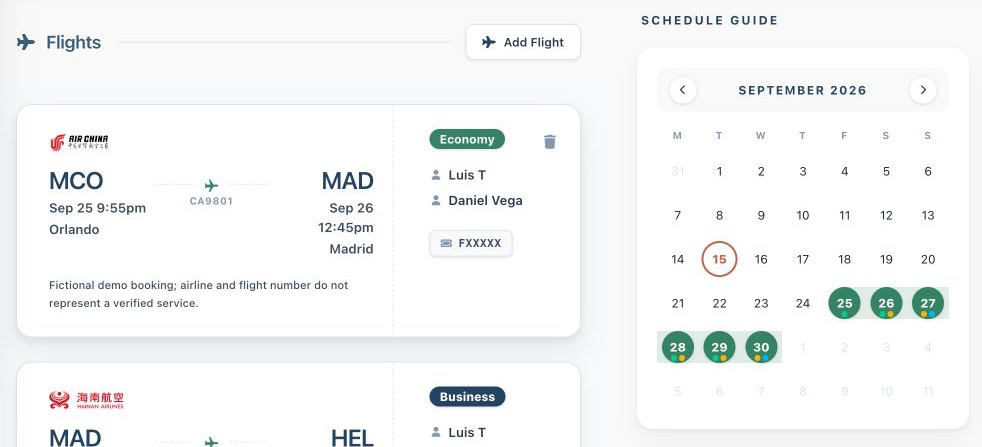
Executing alternative routes under time pressure requires having all booking references, policy contacts, and departure times instantly accessible. Tools like Suitcase2Go help travelers keep multi-segment flights, hotel reservations, and daily transit details organized in one unified view, making it straightforward to review connection windows and share updated travel schedules with family members as conditions shift.