
Extended vacations of ten days or more almost inevitably collide with itinerary fatigue. When every morning starts with an alarm, three museum tickets, two transit transfers, and an evening dinner reservation, cognitive sensory overload quickly blunts the joy of exploring. Travelers often confuse this cumulative exhaustion with simple tiredness, pushing through until an unexpected illness, irritability, or logistical mistake ruins a travel leg.
A deliberate mid-trip reset day is not lost travel time. Instead, it is an operational maintenance buffer that restores physical stamina, resets sleep debt, clears administrative backlogs, and revitalizes enthusiasm for the remainder of your itinerary.

Here is a step-by-step workflow for engineering an effective reset day into multi-destination or extended travel plans.
1. Timing the Reset: The 4-to-5 Day Rule
Travel exhaustion builds logarithmically rather than linearly. High-tempo sightseeing drains executive function as the brain continuously navigates unfamiliar geography, foreign languages, and non-routine transit networks.

- Ideal Placement: Schedule your first full reset window between Day 4 and Day 6 of a trip lasting 10 to 14 days. On trips stretching 3 weeks or longer, place a dedicated reset day every 5 to 7 days.
- Avoid Transit Days as Reset Days: A common error is treating an overland rail journey or a flight between cities as downtime. Packing luggage, coordinating station transfers, navigating customs, and waiting for hotel check-ins generate heightened situational stress. A true reset requires remaining anchored in a single accommodation for at least two consecutive nights so the middle 24 hours feature zero departure deadlines.
2. Physiological Recovery: Circadian Alignment and Sleep Architecture
Attempting to recover by staying in bed all day often backfires by disrupting your biological clock. The CDC Yellow Book guidance on Jet Lag Disorder distinguishes between travel fatigue (general wear-and-tear from movement) and circadian desynchrony (biological clock disruption from crossing multiple time zones).
To balance physiological recovery with circadian stability during a reset day:
- Pace Daytime Naps Tactically: If lingering sleep debt leaves you sluggish, limit daytime sleep to a 20- to 30-minute nap. Taking extended afternoon naps lasting several hours dilutes nocturnal homeostatic sleep drive, triggering insomnia the following night.
- Enforce a Strict Caffeine Curfew: According to clinical sleep research highlighted by the CDC, caffeine carries an average half-life of roughly five hours. Cut off espresso, matcha, or sodas at least six hours before your planned bedtime—or by 4:00 PM (16:00)—to safeguard your nighttime sleep architecture.
- Prioritize Low-Intensity Morning Sun: Rather than remaining in a shuttered hotel room all morning, spend 30 to 45 minutes outdoors in natural light before midday. Daylight halts melatonin production, anchoring your local circadian rhythm and making evening sleep onset easier.
3. Lodging Tactics: Securing Time and Space
A successful reset day relies heavily on having a private, comfortable room rather than being kicked out at 11:00 AM while waiting for your next transit window.
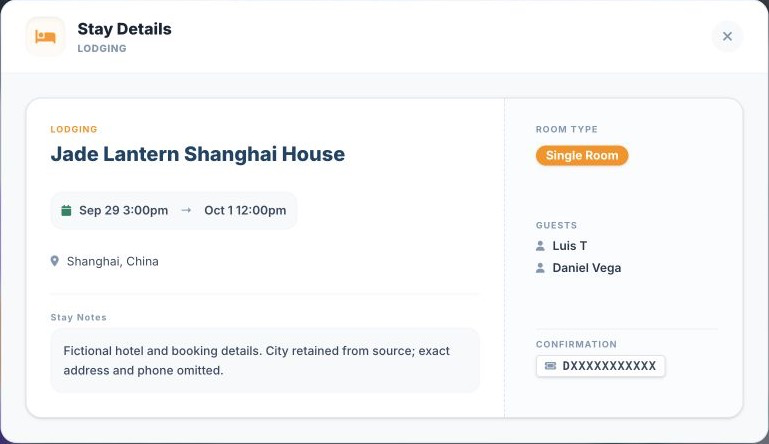
Leveraging Elite Late Checkout Guarantees
If you must transition between properties near your reset window, hotel loyalty tier rules can grant up to five additional hours of room access without paying for an extra night:
- World of Hyatt: As outlined in the World of Hyatt Program FAQ, Discoverist and Explorist tiers are eligible for late checkout up to 2:00 PM upon request, while top-tier Globalist members receive guaranteed late checkout up to 4:00 PM at participating properties. Note that late checkout is subject to availability at Hyatt casino hotels and resorts, and excluded at Hyatt Vacation Club properties.
- Marriott Bonvoy: According to the Marriott Bonvoy Late Checkout policy, Gold Elite members can request late checkout up to 2:00 PM based on availability. Platinum, Titanium, and Ambassador Elite tiers receive guaranteed 4:00 PM late checkout at standard hotels. This benefit is subject to availability at resort and convention properties, and excluded at vacation club brands and Ritz-Carlton Reserve.
Booking Standalone Daytime Recovery Spaces
When staying in a hostel, an early-checkout vacation rental, or between travel legs without elite hotel status, spending the full day in public transit hubs compounds fatigue. Consider these dedicated day-access alternatives:
- Daytime Hotel Rooms: Platforms such as Dayuse allow travelers to book hotel guest rooms for dedicated blocks during the day (typically between 6:00 AM and 11:00 PM) at discounts of up to 75% compared to overnight stays. This grants access to a private bed, shower, and hotel amenities like pools or quiet working lounges without overnight baggage fees.
- Thermal Spas and Resort Passes: If you only require relaxation rather than a private room, services like ResortPass sell day passes starting around $25 for pool decks, $50 for thermal spa access, or around $99 for private day rooms across thousands of partner hotels.
4. The Administrative Flush: Laundry, Documents, and Itinerary Audits
Mental fatigue during travel is frequently driven by small, unhandled tasks: a bag full of damp clothes, scattered boarding passes, unconfirmed hotel reservations, and fading device batteries. Use the afternoon of your reset day for an administrative clear-out.
The Mid-Trip Laundry Protocol
Traveling with a single carry-on bag requires doing laundry every 5 to 7 days. Do not spend three daylight hours waiting inside a laundromat if you can avoid it:
- Wash-and-Fold Services: Look for local drop-off laundromats (lavandería, laverie, or tintorería depending on the region). Most drop-off services weigh your bag and return clean, folded laundry within 4 to 8 hours for a fraction of hotel dry-cleaning rates.
- Hotel In-House Service Caution: While convenient, hotel laundry often charges per-item pricing that rapidly totals upwards of $60 to $100 for basic garments. Always confirm pricing sheets and ask the front desk whether turnaround is same-day or 24-hour.
Cleaning Up Your Travel Documents
Scattered confirmation emails create needless panic at station gates. Review your next travel leg while resting:
- Confirm Next-Leg Check-Ins: Check train platform departures or complete airline online check-in 24 hours prior to departure.
- Clean Up Digital Receipts: Delete outdated ticket QR codes or screenshots from previous cities to avoid scanning the wrong voucher at turnstiles.
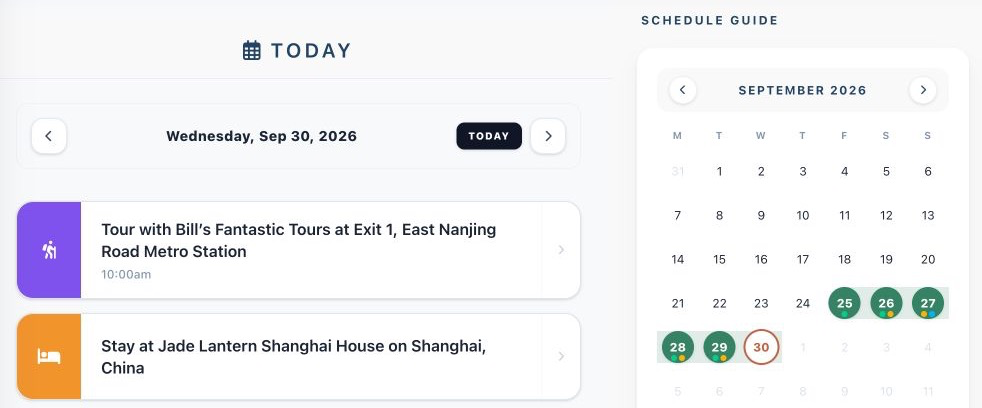
- Consolidate Your Schedule: Open Suitcase2Go to review your upcoming flights, stays, and daily plans in one centralized timeline. Verifying your upcoming hotel address, check-in window, and terminal details during low-stress downtime eliminates mid-transit scramble.
5. Structuring the Reset Day: A Step-by-Step Schedule
To prevent the day from evaporating into idle screen scrolling, follow this balanced 24-hour framework:
| Time Window | Core Activity | Operational Goal |
|---|---|---|
| 08:30 – 10:00 | Gentle wake-up & casual breakfast | Natural light exposure without alarms or rushed transit. |
| 10:00 – 11:30 | The administrative flush | Drop off wash-and-fold laundry; verify upcoming bookings and transit passes. |
| 11:30 – 13:30 | Unhurried, non-tourist neighborhood stroll | Sit in a park or local café; engage in zero paid attractions or guided tours. |
| 13:30 – 15:30 | Quiet zone & optional power nap | Return to accommodation; limit naps to 20–30 minutes to preserve nighttime sleep drive. |
| 15:30 – 16:00 | Final caffeine intake window | Cut off coffee, energy drinks, and tea before the 16:00 threshold. |
| 16:00 – 18:30 | Low-effort leisure & itinerary review | Read, sketch, or review upcoming plans on Suitcase2Go. |
| 18:30 – 20:30 | Simple, comfort-focused dinner | Choose a relaxed, nearby restaurant; avoid tasting menus or late reservations. |
| 21:00 – 22:30 | Digital wind-down | Pack bags for departure day, dim room lighting, and aim for early sleep onset. |
6. Managing the Psychological "Guilt" of Rest
The biggest barrier to a successful reset day is psychological: vacation guilt. Travelers often fall victim to the sunk-cost fallacy, feeling that spending $2,000 on international flights obligates them to see sights every waking hour.
Remind yourself that sightseeing stamina operates like muscular endurance. A rushed tourist moving through a world-class art gallery on 20% battery will retain very little. Stepping off the treadmill for 24 hours ensures you approach the second half of your trip energized, alert, and genuinely engaged.
