
Booking a multi-leg flight itinerary often offers better routes and substantial savings compared to non-stop travel. However, navigating intermediate airports introduces complex logistical variables: tight connection windows, terminal transfers, baggage handling rules, immigration checkpoints, and unexpected schedule disruptions.
Without a structured workflow, a thirty-minute delay on your opening leg can trigger missed connections, misplaced luggage, and hours spent stranded at transfer customer service desks. This guide provides a practical, step-by-step framework to plan, time, and track every stage of a connecting flight itinerary.
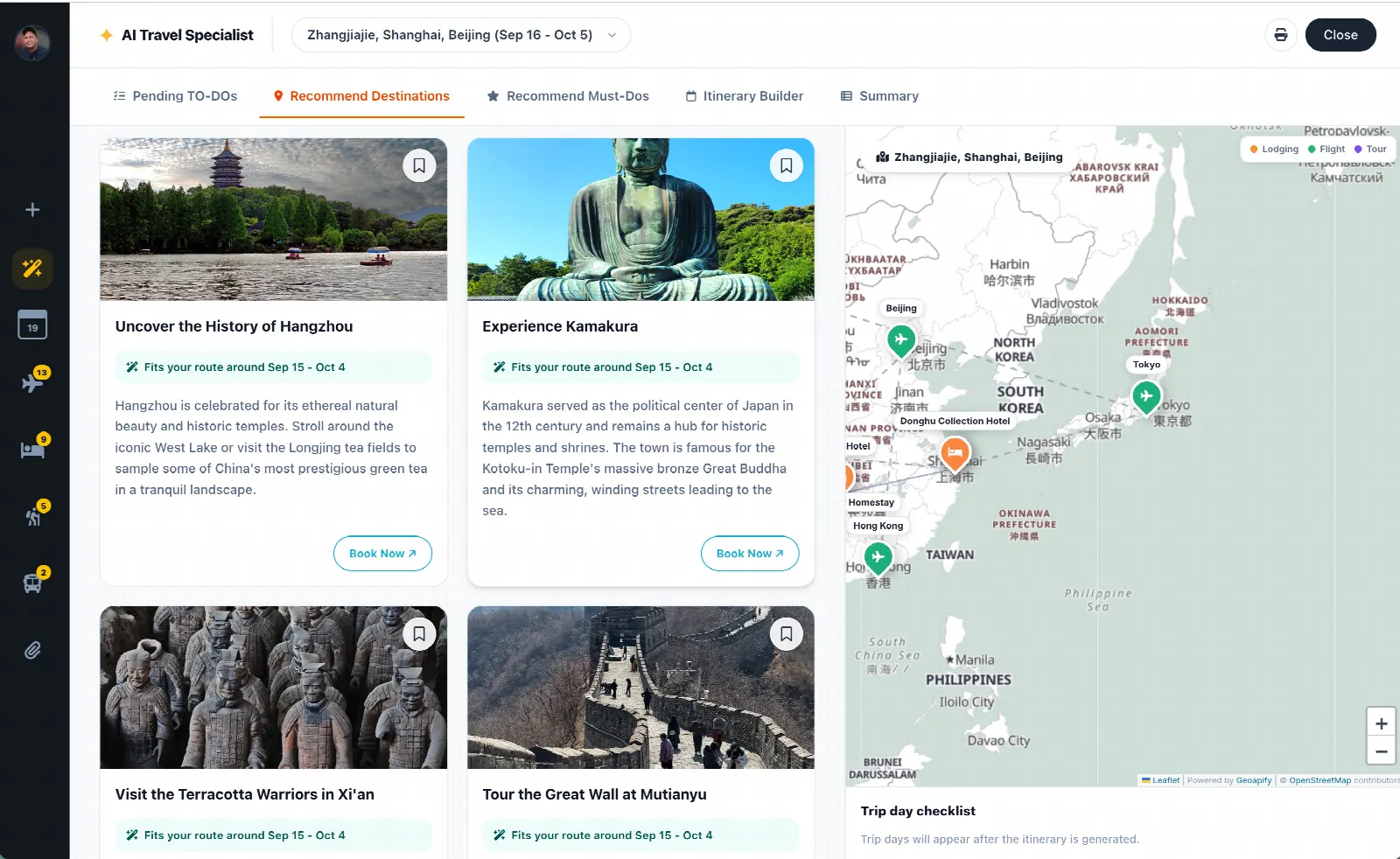
Step 1: Audit Your Ticket Structure (Single PNR vs. Self-Transfer)
Before evaluating gate walking times, you must identify whether your flights are booked under a single ticket (a single Passenger Name Record, or PNR) or as a self-transfer (separate bookings across one or more airlines).
Single-Ticket Bookings
When an airline or travel agency sells a multi-leg itinerary under a single reservation code, the operating carriers enter a formal interline agreement. Under this arrangement:
- The airline is contractually obligated to rebook you at no extra cost if an upstream delay causes you to miss a downstream connection.
- In most domestic and international transit situations, your checked luggage transfers automatically between flights.
Self-Transfer Bookings (Separate Tickets)
Booking two separate one-way tickets—such as an ultra-low-cost domestic carrier connecting to an international long-haul airline—shifts all operational risk to you. According to American Airlines Through Checked Baggage Policies, carriers generally do not through-check baggage to downstream flights on separate tickets across non-partner airlines.
If you travel on separate tickets:
- You must exit the secure airside area at your transfer airport.
- You must collect your luggage from baggage claim.
- You must proceed to the departing carrier's public check-in hall, wait in line, and re-check your bags before the strict cutoff time (often 60 minutes prior to departure for international flights).
- You must clear airport security screening a second time.
If your initial flight is delayed and you miss the second departure, the downstream airline can treat your ticket as a standard no-show, forfeiting your fare.
Step 2: Calculate True Connection Buffers Beyond Published Minimums
Airlines sell itineraries that meet the airport's official Minimum Connection Time (MCT). These figures, often set between 35 and 60 minutes for domestic flights, reflect the absolute physical minimum required for an unencumbered passenger to run between gates during optimal airport conditions. They do not account for deplaning delays, taxiway holds, or traveling with family.
To establish a safe buffer, calculate your connection window using this breakdown:
| Connection Type | Recommended Buffer | Key Operational Factors |
|---|---|---|
| Domestic-to-Domestic (Same Terminal) | 60–90 minutes | Cabin deplaning (15–20 min), gate boarding cutoffs (15 min prior). |
| Domestic-to-Domestic (Terminal Change) | 90–120 minutes | Inter-terminal trains, exiting and re-entering security screening. |
| Domestic-to-International | 2–3 hours | Document verification at the departure gate, early boarding windows. |
| International-to-Domestic (U.S. Gateway) | 2.5–3.5 hours | Immigration processing, mandatory baggage reclaim, customs, TSA re-check. |
| Separate Tickets (Self-Transfer) | 4+ hours | Baggage claim, ticket counter lines, baggage cutoffs, security queues. |
Remember that boarding gates close 10 to 15 minutes before the departure time printed on your boarding pass. A "45-minute layover" in reality leaves only 30 minutes between stepping off the jet bridge and arriving at your next gate.
Step 3: Map Customs, Terminal Changes, and Baggage Re-Check
One of the most frequent points of failure during international layovers is assuming luggage automatically moves to your final destination.
Mandatory Luggage Re-Check at First Port of Entry
When entering the United States on an international flight with a domestic connection, federal regulations require you to clear border inspection at your initial gateway. Guidance from U.S. Customs and Border Protection on Checked Baggage dictates that travelers must retrieve all checked baggage at the first port of entry, carry it through customs clearance, and drop it at onward carrier transfer belts before clearing security to enter the domestic departure concourse. Failure to claim your luggage at this first gateway means your bags will remain behind.
The Preclearance Advantage
You can bypass this time-consuming transfer step if your journey originates at an airport participating in CBP Preclearance Operations. At 16 foreign airports across Canada, Ireland, the UAE, the Bahamas, Bermuda, and Aruba, travelers complete U.S. immigration, customs, and agricultural screening prior to departure. Flights land at domestic gates in the United States, allowing you to walk directly to your onward domestic connection without re-claiming baggage or clearing TSA screening.
Step 4: Verify Transit Visas and Airside Regulations
Never assume that remaining airside inside an airport terminal exempts you from border and visa regulations. Different countries enforce distinct transit visa protocols:
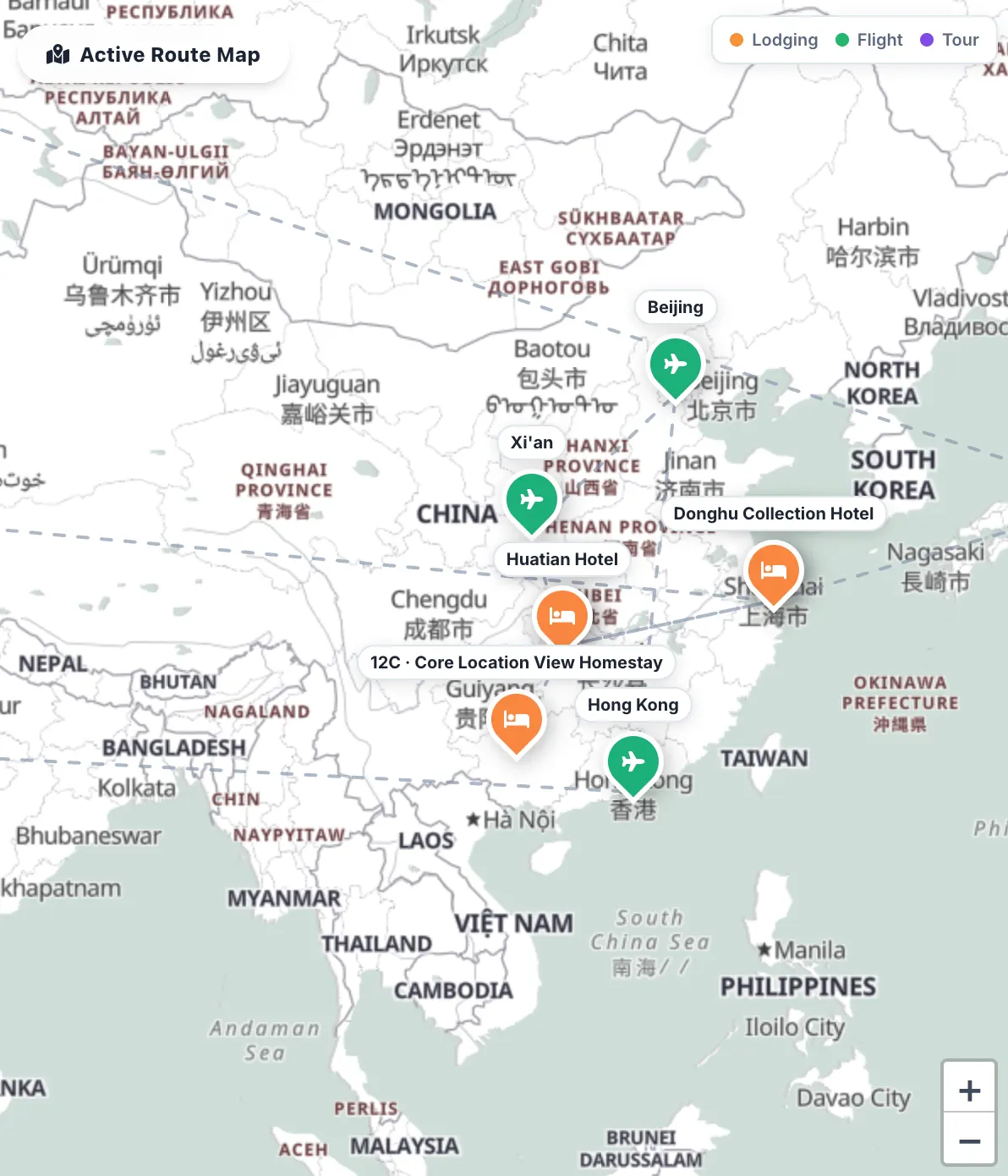
- United States Transit Rules: The U.S. does not offer sterile international-to-international transit lounges. Every passenger touching U.S. soil must pass through immigration. International travelers who do not qualify for the Visa Waiver Program (ESTA) or hold a visitor visa must secure a dedicated U.S. Department of State Transit (C-1) Visa before traveling.
- Schengen Area Transfers: Connecting between two flights within the European Schengen Area requires clearing passport control at the first airport of entry, as downstream flights operate as domestic flights within the zone.
- Terminal Closures: Many regional international airports close their passenger terminals overnight. If you plan an overnight layover, verify that the airport allows overnight stays inside the sterile gate area.
Step 5: Prepare for Controllable Disruptions and Missed Connections
When a flight delay threatens your connection, immediate action is essential. Knowing your carrier's legal commitments prevents confusion at the airport.
Review the U.S. Department of Transportation Airline Cancellation and Delay Dashboard to understand mandatory airline protections. Major U.S. carriers commit to specific accommodations when a delay is within their control (such as mechanical issues or crew shortages):
- Rebooking: Free rebooking on the next available flight on the same carrier.
- Meals: Vouchers or food allowances for waits extending past 3 hours.
- Lodging: Complimentary hotel accommodations and ground transportation if a controllable missed connection strands you overnight.
If you face an impending misconnection while in transit, contact your airline via phone, app chat, or customer care desks immediately rather than waiting to land. Because flights fill quickly during irregular operations, agent queues form fast.
Step 6: Assemble a Centralized Connection Logistics Sheet
Do not rely on separate email confirmations or intermittent airport Wi-Fi during a tight layover. Build a consolidated, accessible master reference for every transit point:
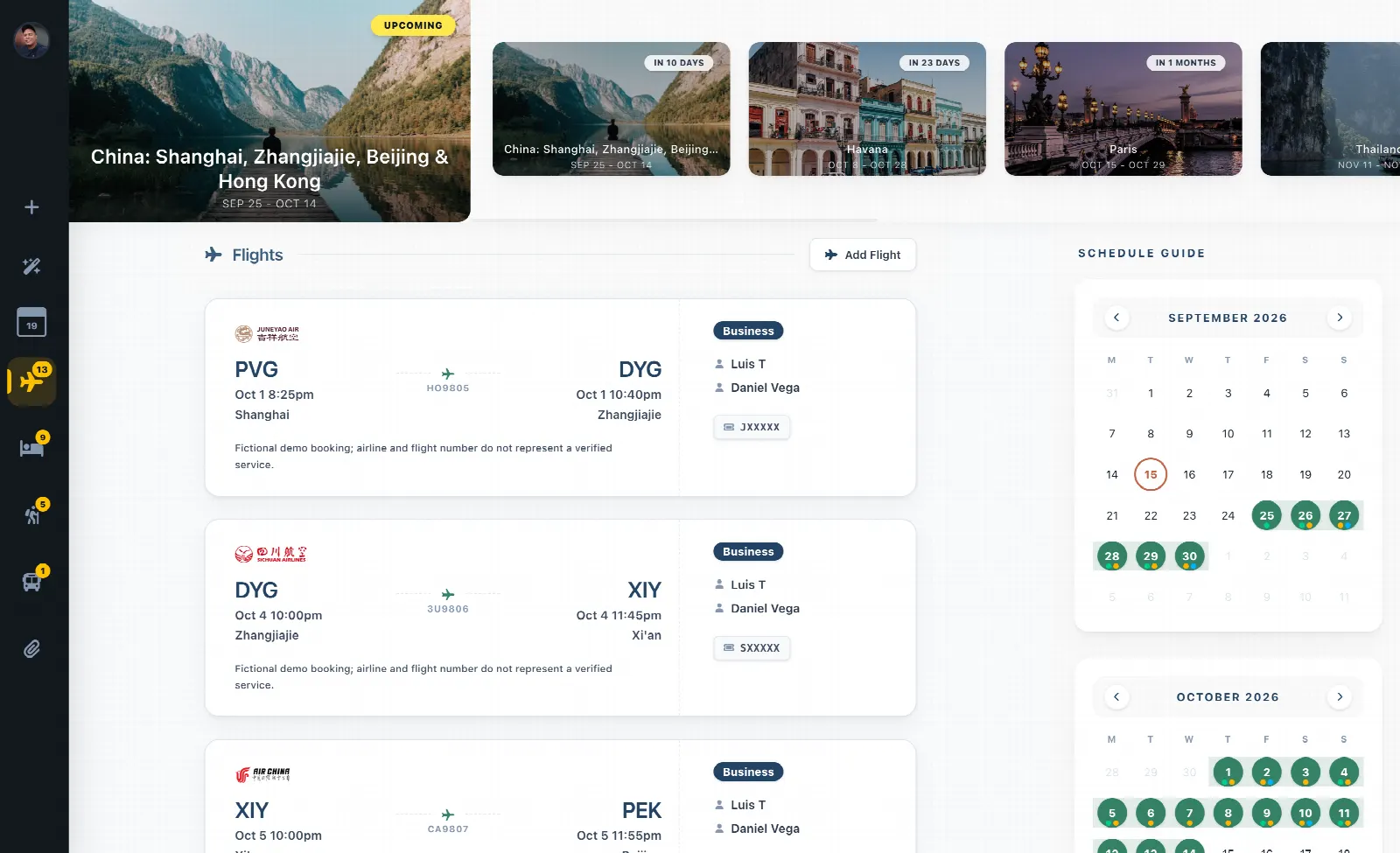
- Flight Segments: Operating carrier, marketing carrier, flight number, departure time, scheduled arrival time.
- Booking Codes: Record the 6-character PNR code for every carrier on your itinerary.
- Airport Layout: Note arrival and departure terminals and identify whether concourses connect past security or require inter-terminal train shuttles.
- Connection Buffer: Calculate the exact elapsed time between scheduled arrival and the next leg's boarding cutoff.
- Baggage Destination: Confirm the 3-letter airport code printed on your physical baggage claim tag at initial check-in.
Practical Execution: A Fictional Multi-Leg Planning Scenario
Consider a fictional traveler, Marcus, who books a two-leg journey from Phoenix (PHX) to Tokyo Narita (NRT) with a 90-minute layover in San Francisco (SFO) on a single airline ticket.
- Pre-Trip Review: Marcus audits his ticket and confirms both flights share a single confirmation code (PNR). He checks terminal maps for SFO and notices his domestic flight arrives in Terminal 3, while his Tokyo departure leaves from the International Terminal. He verifies that an airside connector bridge links the terminals, avoiding secondary security screening.
- Buffer Reality Check: While 90 minutes exceeds the domestic-to-international MCT, Marcus subtracts 15 minutes for deplaning from the back of the aircraft and 20 minutes for international boarding gate closure. His true walking and transit window is 55 minutes.
- Luggage Hand-off: At check-in in Phoenix, Marcus inspects his baggage claim sticker and ensures the final destination tag reads "NRT" rather than "SFO."
- Contingency Prep: Marcus locates the carrier's customer service desk coordinates inside SFO Terminal 3 in case his flight from Phoenix encounters a gate hold.
By auditing every transfer variable in advance, Marcus moves directly between gates without uncertainty or wasted time.
Organize Your Full Travel Workflow with Suitcase2Go
Keeping track of separate airline confirmations, hotel check-in cutoffs, terminal numbers, and layover schedules can quickly become chaotic across multiple browser tabs and inboxes.

Suitcase2Go organizes your entire journey in one central place, bringing together flights, stays, and daily plans into a structured, unified itinerary.
When researching flights and reviewing reservation confirmations across different booking portals, you can use the Suitcase2Go Chrome extension to quickly pull active-page text and capture a visible-page screenshot directly into your designated trip. Because connection windows and terminal gates frequently shift, you can check those saved entries against your airline confirmations to ensure your layovers, baggage drop deadlines, and boarding cutoffs are properly documented.
Visit Suitcase2Go to explore the platform and set up your next itinerary.