Arriving in a major European city on a Sunday afternoon only to find shuttered supermarkets, locked pharmacy doors, and darkened boutique rows can derail an otherwise seamless itinerary. Statutory rest days and holiday trading restrictions remain deeply ingrained across many international destinations. Navigating these constraints without losing travel momentum requires understanding regional regulations, identifying reliable transit-hub exemptions, and structuring daily itineraries strategically.
Decode Regional Sunday Trading Laws
Commercial regulations vary sharply between countries and even between adjacent legal jurisdictions. In Germany, the federal Shop Closing Act (Ladenschlussgesetz) mandates that retail shops remain closed on Sundays and statutory public holidays, preserving the constitutional principle of Sonntagsruhe (Sunday rest). Essential exceptions are strictly limited to emergency-rotation pharmacies (Notdienst), gas stations, commercial airports, and shops inside major passenger rail stations selling travel necessities (Reisebedarf).

France follows a standard weekly rest day (repos dominical), codified under national labour regulations and monitored by the French Ministry of Economy. While standard commercial outlets close, food retailers are legally authorized to operate on Sunday mornings until 13:00. Furthermore, all-day Sunday retail is permitted inside designated International Tourist Zones (Zones touristiques internationales or ZTI)—such as key central neighborhoods in Paris, Nice, and Cannes—as well as inside major railway concourses such as Paris Saint-Lazare and Gare du Nord.
In England and Wales, statutory restrictions under UK retail trading law divide shops by sales floor area. Retail stores exceeding 280 square meters are restricted to trading a maximum of six continuous hours between 10:00 and 18:00 on Sundays, and must close entirely on Easter Sunday and Christmas Day. Independent corner shops and grocers under 280 square meters face no statutory operating limits, offering reliable lifelines for travelers.
Watch Out for Holiday Shifts and Museum Schedules
Public holidays introduce secondary scheduling challenges. In the United Kingdom, statutory schedules published on GOV.UK Bank Holidays apply substitute days: when a fixed bank holiday falls on a weekend, the following Monday is designated an official closure day. Regional calendars also diverge, with Scotland observing bank holidays on dates that remain normal working days in England and Wales.
Crucially, cultural institutions often maintain separate closing rules that do not align with commercial retail. While major tourist attractions typically remain open on Sundays, many observe a designated weekday closure. For example, institutional admissions guidelines for the Mus%C3%A9e du Louvre show the museum welcomes visitors on Sundays and most public holidays, but closes every Tuesday, alongside full closures on January 1, May 1, and December 25.
A Worked Logistics Checklist for Sunday Travel
To ensure smooth transitions across international borders, follow this four-step planning routine:

- Stock Provisions by Saturday Evening: Purchase essential groceries, breakfast items, bottled water, and infant or dietary supplies before 18:00 on Saturday if traveling through strict closure regions like Germany, Austria, or provincial France.
- Leverage Exempt Rail Hubs and Airports: When you require emergency amenities or retail on a Sunday, head to the central train station (Hauptbahnhof or Gare) or the international airport terminal, where transit commercial exemptions apply.
- Reserve Dining and Tickets in Advance: Because locals also dine out on statutory rest days, open restaurants and major monuments experience concentrated demand. Reserve dining tables and cultural admission slots well in advance.
- Audit Weekend Rail Engineering: Public transport networks and rail operators frequently schedule track maintenance over bank holiday weekends. Re-verify departure timetables 48 hours prior to transit.
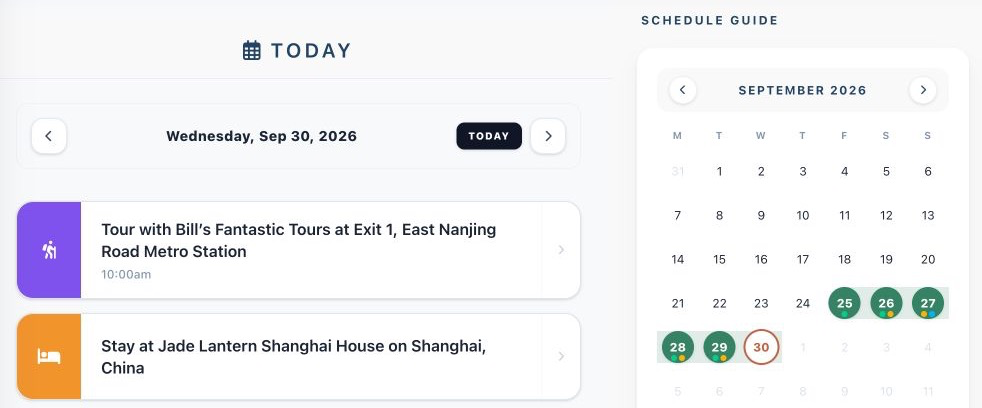
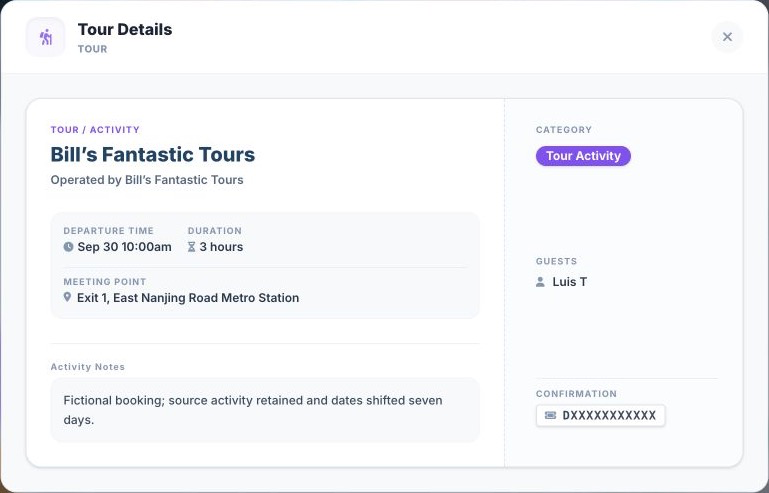
Keeping flights, hotel check-ins, and scheduled reservations grouped in one clear timeline prevents surprise closures from derailing your travel days. You can organize your bookings, stays, and daily plans centrally on Suitcase2Go before setting off on your next journey.