In many parts of the world—particularly across Spain, Italy, Greece, Portugal, and parts of Latin America—daily commercial life pauses in the early afternoon. Whether known as a siesta, riposo, or simply an extended midday break, independent shops, neighborhood markets, family-run trattorias, and regional churches frequently close their doors between roughly 1:30 PM and 5:00 PM.
Travelers accustomed to continuous all-day services often find themselves wandering quiet residential streets with locked doors and few open dining options. Adapting your daily planning workflow to respect these cultural rhythms prevents frustration, saves wasted transit time, and creates a more relaxed travel tempo.

The Problem: The Midday Logistical Trap
A standard itinerary often schedules major activities sequentially from 9:00 AM through 5:00 PM. In regions observing traditional afternoon breaks, this timetable frequently collides with three common roadblocks:

- Early Kitchen Closures: Restaurants often seat their final lunch guests between 2:00 PM and 2:30 PM, reopening only for dinner around 8:00 PM or later.
- Split-Shift Sightseeing: While flagship national museums may stay open, smaller parish churches, historic civic buildings, and local artisan shops typically shut down for three to four hours.
- Heat and Fatigue: In warmer climates, the midday closure coincides with the peak ultraviolet index, making open-air exploration exhausting.
A Worked Planning Workflow: The Three-Block Day
To turn cultural closures into an asset rather than a hurdle, restructure your daily itinerary into three distinct blocks:

- Block 1: High-Energy Sightseeing (08:30 – 13:30) Reserve the morning for sites with strict midday closures: local markets, historic chapels, and walking tours. Complete errands and neighborhood shopping before noon.
- Block 2: The Midday Pivot (13:30 – 17:00) Commit to a deliberate, seated lunch starting no later than 13:30. Spend the afternoon in venues that do not close: major national galleries, shady botanical gardens, or your hotel for rest and hydration.
- Block 3: The Evening Renaissance (17:00 – 22:00) As shutters reopen, rejoin local life for an evening stroll (passeggiata), neighborhood shopping, aperitivos, and a later dinner.
Sample Comparison: Conventional vs. Split Schedule
| Itinerary Stage | Conventional Approach | Split Rhythm Workflow |
|---|---|---|
| 13:30 – 14:30 | Rushing between closed historic chapels | Seated local lunch before kitchens close |
| 14:30 – 16:30 | Wandering closed shopping streets | Air-conditioned major museum or rest buffer |
| 17:00 – 19:30 | Returning exhausted to hotel | Vibrant evening neighborhood exploration |
Verifying Operating Hours and Practical Alternatives
Always confirm whether a specific site observes split hours by checking the venue’s verified website before setting your schedule. Regional variations are significant: capital cities and major international retail strips rarely shut down completely, whereas smaller provincial towns observe traditional pauses strictly.
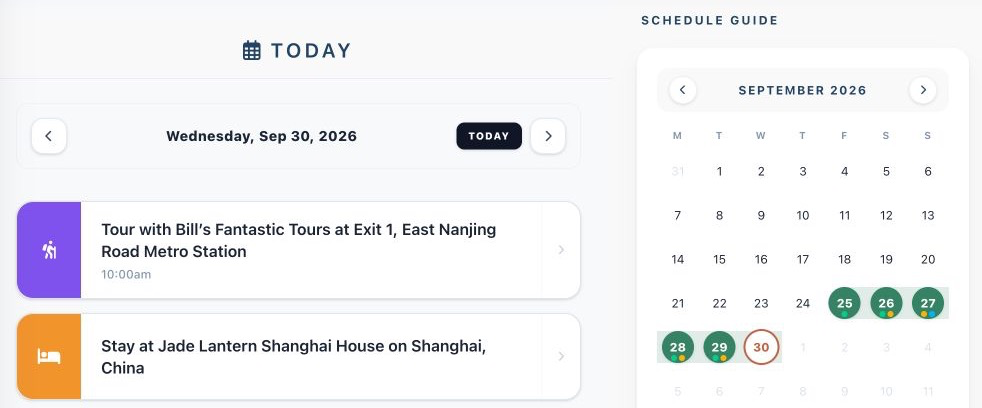
If you prefer manual scheduling, keeping a paper pocket notebook with morning and evening columns helps you spot timing conflicts early. For travelers coordinating reservations, stays, and multiple daily stops across several cities, Suitcase2Go provides an intuitive platform to organize flights, lodging, and daily plans in one centralized place, making it simple to map your schedule around cultural rhythms without juggling multiple disorganized notes.